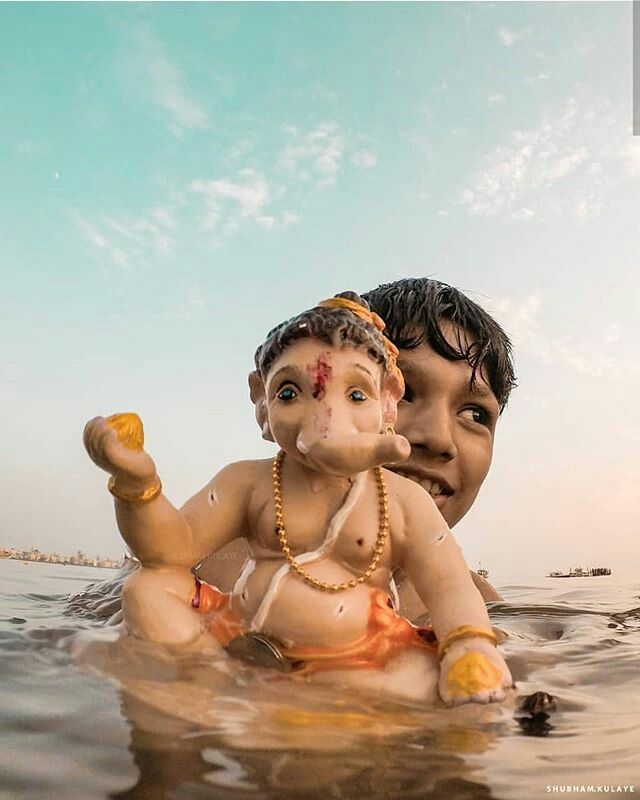
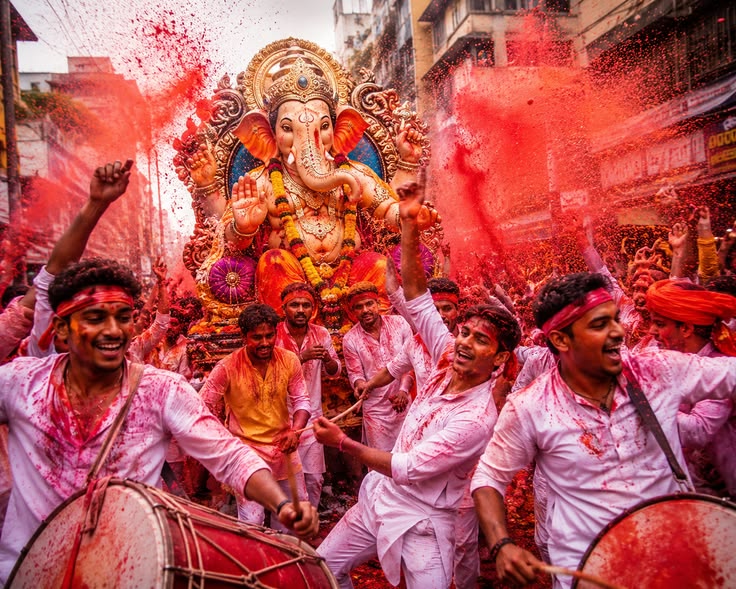
Every year, as the festive season begins to fill the air with colour, music, and excitement, millions of hearts turn toward one beloved deity—Lord Ganesha. Known as the remover of obstacles, the god of wisdom, prosperity, and new beginnings, Ganesha holds a special place in the hearts of people across India.
But the Ganesh Festival is much more than a religious celebration. It is a beautiful coming together of families, friends, communities, art, music, food, and devotion. For a few magical days, streets and homes come alive with beautifully decorated idols, traditional celebrations, delicious festive treats, and the unmistakable sound of “Ganpati Bappa Morya!”
The Story Behind Ganesh Chaturthi
Ganesh Chaturthi marks the birth of Lord Ganesha. According to Hindu tradition, Goddess Parvati created Ganesha and gave him the responsibility of guarding her home. When Lord Shiva returned and was stopped by Ganesha, a conflict followed, eventually leading to Ganesha receiving an elephant head and becoming the beloved son of Shiva and Parvati.
Over time, Ganesh Chaturthi evolved into one of India’s most celebrated festivals. While it has deep spiritual roots, the festival today beautifully combines tradition with community participation.
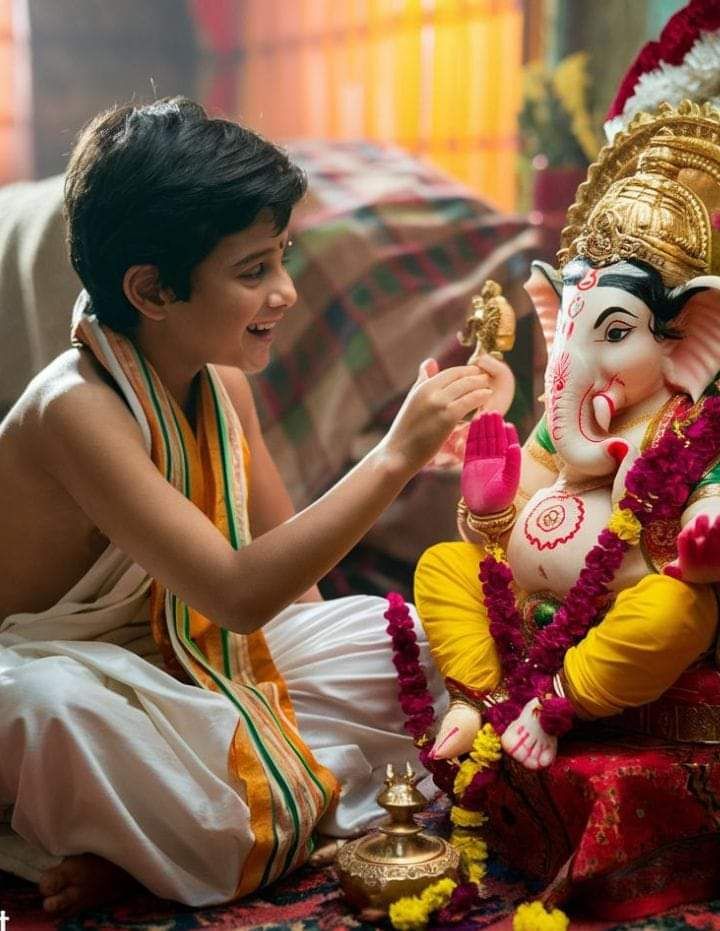
The celebration generally begins with Ganesh Sthapana, when an idol of Lord Ganesha is ceremonially installed in homes, temples, and public pandals. Devotees offer prayers, flowers, fruits, and sweets while seeking blessings for wisdom, happiness, and prosperity.
More Than a Festival—A Feeling
Ask someone what Ganesh Chaturthi means to them, and the answer will rarely be just one thing.
For children, it can mean colourful decorations, modaks, music, and excitement. For families, it is a time to come together and create memories. For communities, it is an opportunity to celebrate their culture and strengthen their bonds.
There is something special about watching neighbours who may barely meet during the year come together to decorate a pandal, organise prayers, distribute food, or participate in cultural activities.
That is the true magic of Ganesh Chaturthi—it turns individual devotion into a shared celebration.
The Sweetest Part: Modak!
No Ganesh celebration feels complete without mentioning modak, Lord Ganesha’s favourite sweet.
Traditionally prepared with rice flour, coconut, and jaggery, steamed ukadiche modak is a festival favourite. Today, families and sweet makers experiment with chocolate, dry fruits, kesar, and other flavours while keeping the spirit of the traditional delicacy alive.
For many families, preparing modaks together becomes a festival tradition of its own. It is not just about the final sweet—it is about the laughter, conversations, and memories created while making it.
Colours, Creativity & Community
One of the most fascinating aspects of Ganesh Chaturthi is the creativity that surrounds it.
From magnificent pandals to artistic idols and innovative decorations, the festival provides a platform for artists, designers, craftsmen, musicians, and local communities to showcase their talent.
In recent years, there has also been a growing focus on eco-friendly Ganesh celebrations. Clay idols, natural colours, reusable decorations, and sustainable materials are increasingly becoming part of the festival.
This shift reminds us that celebrating tradition and caring for nature can go hand in hand.
The Joy of Visarjan
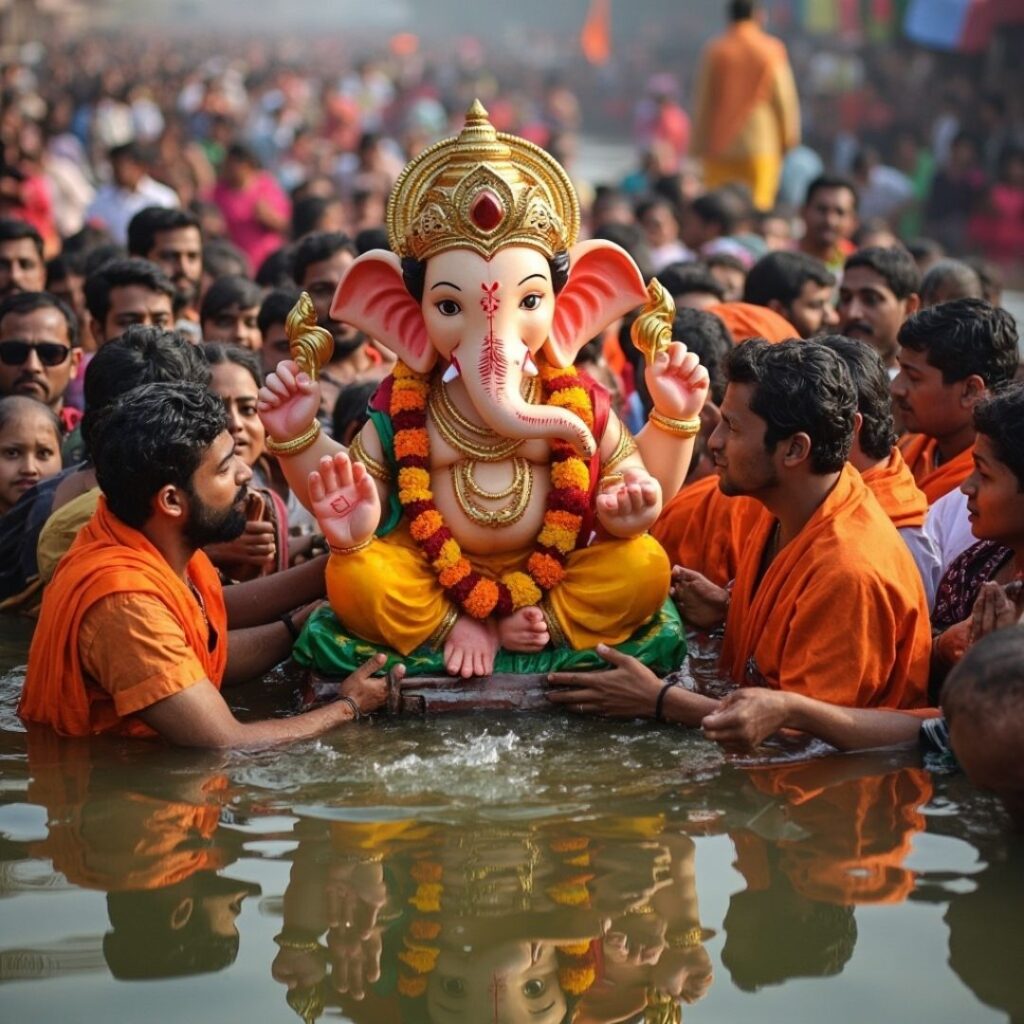
After days of prayers and celebrations comes one of the most emotional moments of the festival—Ganesh Visarjan.
Devotees carry the idol in a colourful procession filled with music, dance, and chants of “Ganpati Bappa Morya!” The idol is then immersed in water, symbolising the return of Lord Ganesha to his divine abode.
Although saying goodbye can feel emotional, Visarjan carries a beautiful message: everything in life is temporary, and every beginning eventually leads to another beginning.
The farewell teaches us to celebrate the present, accept change, and carry the blessings and lessons of the festival forward.
What Ganesha Teaches Us
Perhaps the most beautiful part of the festival is the symbolism associated with Lord Ganesha.
His large ears remind us to listen more.
His small eyes encourage us to focus.
His large head represents wisdom and thoughtful thinking.
His trunk symbolises adaptability and strength.
His mouse vehicle reminds us to control our desires rather than allowing them to control us.
In a world that constantly moves faster, these simple lessons remain surprisingly relevant.
Celebrating With Purpose
Ganesh Chaturthi gives us an opportunity to celebrate, but it also gives us an opportunity to reflect.
We can choose decorations that reduce waste, support local artisans, avoid unnecessary plastic, and celebrate responsibly. We can involve children in making eco-friendly decorations and teach them that festivals are not only about rituals but also about respecting people, culture, and nature.
Because the best celebrations are those that leave behind beautiful memories—not a harmful footprint.
Ganpati Bappa Morya!
Ganesh Festival is ultimately a celebration of faith, family, creativity, community, and new beginnings.
From the moment Ganesha enters our homes to the emotional farewell during Visarjan, the festival takes us through a journey filled with devotion and joy. It reminds us to welcome new beginnings, face obstacles with courage, listen with patience, and live with wisdom.
And perhaps that is why, year after year, when the drums begin to play and the streets echo with “Ganpati Bappa Morya!”, people don’t simply celebrate a festival.
They celebrate hope. They celebrate togetherness. They celebrate life.